Introduction
Moving can be a stressful and overwhelming experience, especially when it comes to packing up your belongings. One of the worst things you can imagine to happen is for your most treasured possessions to get damaged or broken when you move. This is why understanding the technique of packing is crucial to ensure the security and safety of your items during the moving process. In this article, we will explore various strategies, tips, and techniques to help https://zenwriting.net/fastofaseh/the-best-time-to-move-things-to-take-into-account-for-a-hassle-free-experience you protect your belongings during a move.
The Importance of Proper Packing
Proper packing is crucial when it comes to safeguarding your belongings during a move. It is not just a way to prevent damage but also allows for faster transportation and easier unpacking when you arrive at your new home. By taking the time to pack your items correctly, you can minimize the risk of breakage and ensure that everything arrives safely.
FAQs About Packing for a Move
Q: How far in advance should I start packing for my move?- A: It's recommended to start packing at least 2-3 weeks before your moving date. This will give you enough time to pack everything carefully without rushing.
- A: You will need sturdy boxes in various sizes, bubble wrap or packing paper, packing tape, markers for labeling, and furniture blankets or pads for fragile items.
- A: It depends on your budget and personal preference. While hiring professionals can save you time and ensure proper handling of delicate items, packing yourself allows you to have more control over the process.
- A: Fragile items should be individually wrapped in bubble wrap or packing paper before placing them in boxes. Use crumpled paper or packing peanuts to fill any empty spaces and provide cushioning.
- A: Whenever possible, it's advisable to disassemble large furniture pieces to make them easier to transport and reduce the risk of damage.
- A: Use furniture blankets or pads to cover larger items and secure all boxes with packing tape. Load the moving truck strategically, placing heavier items at the bottom and fragile items on top.
Tips for Protecting Your Belongings During a Move
1. Gather Quality Packing Supplies
Investing in sturdy packing supplies is essential for protecting your belongings during a move. Strong boxes, bubble wrap or packing sheets, packing tape, markers for labeling, and furniture blankets or pads should be on your checklist. Don't skimp on these supplies as they will play a vital role in keeping your items safe.
2. Declutter Before You Pack
Before you start packing, take the opportunity to declutter your belongings. Get rid of all items that you don't need or require. Not only will this lighten your load, but it will also make the packing process more manageable and organized.
3. Wrap Fragile Items Carefully
Fragile items such as glassware, dishes, and electronics require extra care during packing. Wrap each item individually with the use of bubble wrap, or packing paper before placing them in boxes. This will provide an additional layer of protection against potential damage.
4. Use Proper Box Sizes
Using the right box sizes is crucial for protecting your belongings during a move. Do not overpack boxes since they can get too heavy and cause the chance of breaking. Similarly, using oversized boxes can lead to items shifting around during transit, causing damage.
5. Label Boxes Clearly
Labeling boxes is essential for efficient unpacking and helps prevent mishandling during the moving process. Mark each box clearly with the contents of it and the area it's located to. This will make it easier for you and your movers to identify fragile items and handle them with care.
6. Securely Seal Boxes
Make sure to securely seal all boxes with packing tape to prevent them from opening during transit. Reinforce the bottom of the boxes with an extra layer of tape to give them extra force. This will ensure that your belongings stay safe and protected throughout the move.
Conclusion
Mastering the art of packing is essential in protecting your belongings during a move. If you follow these guidelines and strategies, you can minimize the risk of loss and ensure that your belongings will arrive safely at the new home. Be sure to get quality packing items, clear out your home before packing. Wrap fragile items carefully, use proper size boxes, mark boxes clearly, and securely cover the boxes. With these precautions in place, you can have peace of mind knowing that your cherished possessions are well-protected during the moving process.
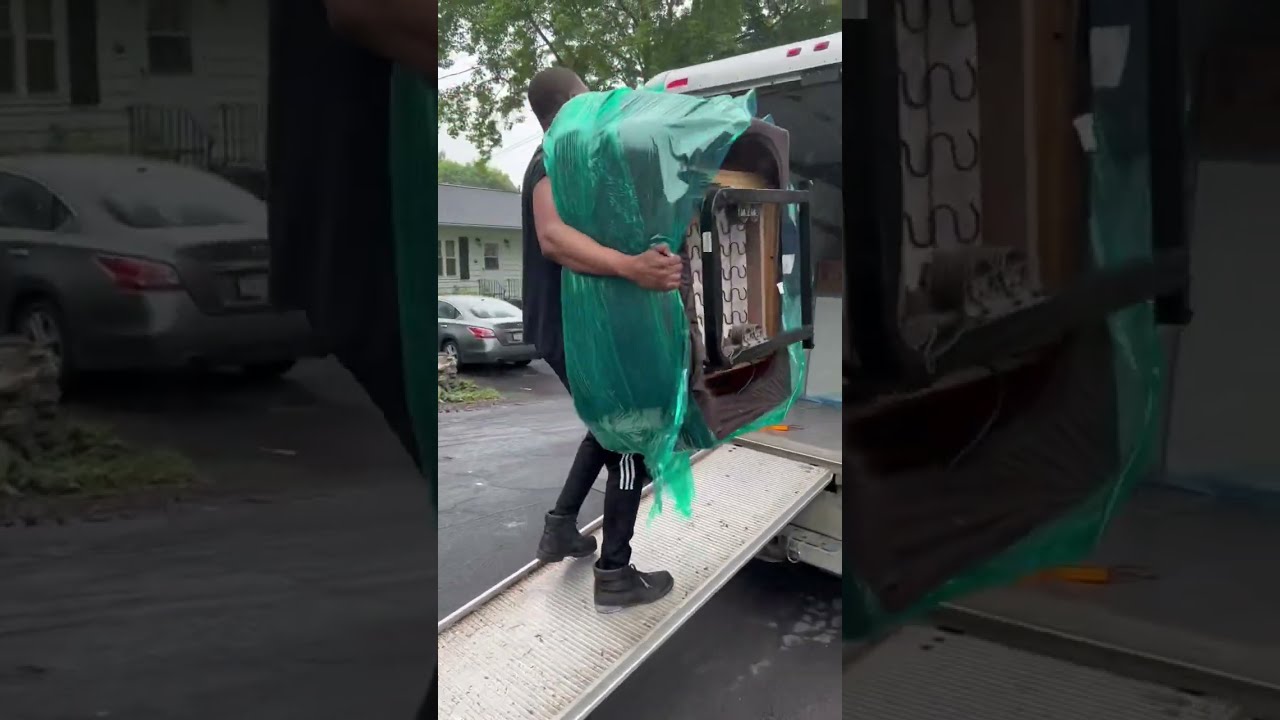
So, if you're planning a move in the near future, don't underestimate the importance of proper packing. Take time to take the time to plan ahead and gather the necessary items and adhere to the best practice to protect your belongings. You'll be rewarded by a stress-free and smooth moving journey. Happy packing!